
The Triple Lock has been a lifeline for pensioners since it was introduced back in 2011. It ensures that the State Pension rises each year by whichever is highest: Inflation, average earnings, or 2.5%. Sounds fair, right?
Well, yes, but it’s getting very expensive.
According to the Office for Budget Responsibility (OBR), the cost of the Triple Lock is expected to triple by the end of this decade, reaching a whopping £15.5 billion a year by 2030. Why? Because both Inflation and earnings have been more volatile than expected, pushing up the State Pension more often than originally forecast.
That’s great news if you’re drawing your Pension, for example, in April 2025, the full new State Pension went up to £230.25 a week. But it’s causing real headaches for the government, who are struggling to balance the books. The OBR says the UK’s public Finances are “unsustainable” in the long term unless something changes.
Despite the rising cost, the government has said it’s sticking with the Triple Lock, at least for now. But there’s a growing debate about whether this approach can last.
So, what does this mean for you? For now, the State Pension looks safe. But with increasing pressure on public spending, it’s a good reminder to review your own Retirement Plans and make sure you’re not relying on State support alone.
Chancellor Rachel Reeves has recently delivered her Mansion House speech, setting out the government’s latest thinking on Savings, Pensions and Investments. If you’ve been hearing rumours about ISA changes, you’re not alone, but for now, there’s no change to the Cash ISA allowance.
Instead, the government’s message was clear: it wants to encourage more people to Invest, rather than leave money sitting in cash. Banks may soon be allowed to nudge customers towards Investments and regulators will be updating how risk warnings are presented, hopefully making things clearer and less daunting.
So, what does this mean for you?
In short, you might start seeing more Pro-Investment messages when logging into your bank or reading Financial news. But while that’s a nudge in the right direction, it doesn’t replace personalised, Professional Advice. The big decisions: How much should I Invest? Where? What’s right for my goals and comfort level? They still need a thoughtful plan.
The Chancellor also touched on wider plans to improve Financial guidance and reform Pensions, including ways to make the most of long-term Savings and Retirement Income. It’s all part of a push to build a stronger culture of Investing in the UK.
But with change comes complexity. If you’re unsure how these developments affect your savings, ISAs or Pensions, or what your next step should be, this is a great time to speak with us.
Call us on 02920 450 143 or email [email protected] to speak with one of our Financial Planners and explore what the changes could mean for your personal plans.
Being named as an Executor in someone’s Will is a big responsibility, managing Assets, applying for Probate, dealing with Taxes and making sure everything is distributed properly. But what happens if the person trusted with that role becomes mentally incapable of carrying it out?
It’s a situation families don’t often think about, but it does happen. If an Executor loses mental capacity, say through dementia or serious illness, they can no longer legally act in that role.
If this happens before Probate has been granted and there are other Executors named in the Will, they can usually carry on without the person who’s lost capacity (once they’ve provided evidence). If no one else is named or available, a Beneficiary can apply to take on the job instead.
If the loss of capacity happens after Probate’s already been granted, things get more complicated. The Executor can’t continue and someone else can’t simply step in without legal permission. The court may need to revoke the Grant and appoint a new representative.
The key message here is: act early. If an Executor is showing signs of struggling, it’s important to get a capacity assessment and seek Professional Advice. In some cases, a Professional Estate Administrator may need to take over with the family’s agreement.
As always, if you’re unsure what steps to take, speak to us and we’ll be able to guide you through the process and signpost resources available. It’s also wise to ensure your Executors and Trustees have a Lasting Power of Attorney in place. If you’d like to review your plans, call us on 02920 450 143 or email [email protected].
Despite a deluge of criticism from all angles, the government has blown its opportunity to bin the Pension and IHT proposals and confirmed a big change coming in April 2027: most unused Pension funds and death benefits will fall within the scope of Inheritance Tax (IHT).
Until now, Pensions have largely sat outside IHT planning, but from April 2027, if there’s any Pension money left when someone dies, it could now count towards the value of their Estate and may be taxed accordingly.
This won’t affect all Pensions. Death in service benefits and certain dependent Pensions (like those from defined benefit schemes) are still exempt. But for many people with personal Pensions, it’s a game-changer.
Rather than Pension providers handling the admin, it’ll be down to personal representatives (the Executors or administrators of the Estate) to report and pay any Tax due. That could mean more paperwork and more stress at an already emotional time.
The government estimates around 10,500 estates will face an IHT bill that they wouldn’t have previously and many more will see their Tax bill go up. On average, the increase could be around £34,000.
While this won’t affect everyone, it’s a timely reminder to review your Estate and Retirement plans. Many people are already rethinking how they draw from Pensions and exploring other IHT mitigation strategies.
We can help you understand your options and make sure your wealth ends up where you want it…Tax-efficiently. We’ll also be holding a Pension Briefing later this year to explore these changes in more detail – keep an eye out for your invitation.
An apt announcement from HMRC following on from the confirmation that Pensions will be liable to IHT. IHT is no longer just a problem for the ultra-wealthy. New figures show that nearly 1 in 10 Estates now face a bill of over £500,000 and the number is rising fast.
In the 2021/22 tax year, 2,520 Estates paid more than half a million pounds in IHT, with 890 of those paying over £1 million. That’s a 29% increase in just three years and the trend is set to continue. By the end of the 2025/26 tax year, it’s expected that over 3,500 Estates could be facing a £500k+ IHT charge.
Why the rise? The main IHT thresholds have been frozen for years, since 2009 for the standard nil-rate band and since 2017 for the residence nil-rate band. Meanwhile, house prices and asset values have steadily climbed, dragging more Estates into the IHT net.
And there’s more change coming. From April 2027, unused Pensions will be brought into scope for IHT, potentially catching even modest estates off guard.
We’re seeing many clients now looking to take action, supporting children and grandchildren during their lifetime, reviewing Pension drawdown strategies and exploring Trusts or gifting.
If you’re thinking about how best to protect your Legacy, you’re not alone. These changes make it more important than ever to get advice that’s tailored to your circumstances. We’re here to help you explore your options and make sure your wealth goes where you want it to, with as little lost to tax as possible.
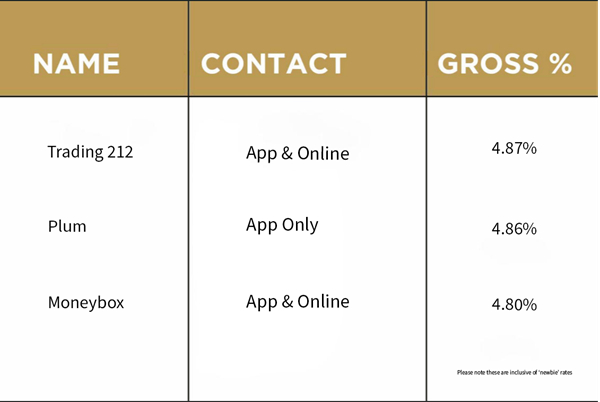
Please check the terms and conditions before opening any account. If in doubt, consult with your Financial Adviser directly, as the above is for your information only.
Source: Moneysavingexpert.com 01/08/2025
Penguin © 2026. Penguin is a trading name of Penguin Wealth Planners Ltd. who are authorised and regulated by the Financial Conduct Authority (FCA no. 830057). For further information please View More
 Customer Focus Award