
As we head towards the end of the Tax year, now’s a great time for a quick Financial tidy-up. Many Tax allowances run on a “use it or lose it” basis, which means if you don’t take advantage of them before 5 April, the opportunity can disappear.
One of the best-known is your ISA allowance. You can currently save up to £20,000 into ISAs each Tax year, with any growth and income free from UK Tax. If you haven’t used this yet, topping up before the deadline can be a simple way to make your money more Tax efficient.
Pension contributions are another key area. Paying into a Pension not only boosts your Retirement savings but also comes with valuable Tax relief. For many people, this can significantly reduce their Tax bill while helping future you at the same time.
It’s also worth checking your Capital Gains Tax (CGT) allowance. If you’re planning to sell Investments, spreading disposals across Tax years can help reduce Tax. Similarly, using dividend allowances and considering spousal transfers (where appropriate) can form part of smart year-end planning.
For families, don’t forget Junior ISAs and gifting allowances, which can be useful for passing on wealth in a Tax-efficient way.
The key point is that small actions now can make a meaningful difference over time.
Want a clearer picture of what you can do before the Tax year ends?
We’re hosting a Tax Briefing on Wednesday 18th February 2026, where we’ll break down the key allowances, deadlines, and planning opportunities – and what they could mean for you.
If you’d like to join us, please get in touch by emailing [email protected] or calling 02920 450143 and we’ll send you the details and registration link.
Changes being discussed around the Lifetime ISA (LISA) could make things simpler for first-time buyers, but there’s a catch that matters for Retirement Planning.
*The Government is expected to reshape the LISA from 2028, so it focuses only on helping people buy their first home. That would remove its second role as a Retirement savings vehicle.* On paper, that tidies things up. In reality, it risks creating uncertainty for thousands of people who’ve been using their LISA to build long-term savings.
Under current rules, savers can put in up to £4,000 a year and get a 25% government bonus. Money can be taken out penalty-free for a first home or from age 60. This has made LISAs especially useful for the self-employed, freelancers and those without workplace Pensions, as well as people topping up their Retirement savings alongside other plans.
The concern is what happens next. If the Retirement element fades away, people who’ve relied on LISAs for later life could be left with a product that no longer fits its original purpose. That’s why there are calls for clear guidance and possibly incentives to help savers move money into Pensions instead.
If you currently have a LISA and aren’t sure whether it still makes sense for your long-term plans, we can help.
Please get in touch by emailing by emailing [email protected] or calling 02920 450143 and we’ll be happy to talk it through.
Inflation in the UK edged up to 3.4% in the year to December, from 3.2% the month before. That sounds worrying at first glance, but the detail behind the number tells a calmer story.
A big chunk of the increase came from airfares. The way flight prices were measured this year captured more of the pre-Christmas travel rush, when prices are naturally higher. Last year’s comparison points included Christmas Eve and New Year’s Eve, typically cheaper travel days, so the difference looks bigger than it really is. Tobacco prices also jumped after duty rises in the Budget. Add in higher food prices and you get the December bump.
The good news? Some pressures are easing. Rent growth slowed, and many economists think these latest drivers are temporary quirks, not the start of inflation taking off again.
This comes just before the Bank of England’s next interest rate decision on 5th of February. Rates ended last year at 3.75% after cuts, but the Bank is expected to be cautious.
Inflation and pay growth are still a bit sticky, so any further rate reductions are likely to be gradual, though many expect inflation to ease again in the coming months.
It’s also worth remembering that headline inflation isn’t the whole story.
We all have our own personal inflation rate based on what we actually spend money on. If you travel regularly, run a car, have a growing family, or spend more on food and energy, your costs may have risen much faster than the national average.
A helpful exercise is to ask: what have the things you enjoy (and rely on) gone up by over the last year? That’s often a better guide when thinking about budgets, savings goals and how much your money needs to grow to keep up.
When we talk about Financial Planning, it’s easy to focus on Investments, Pensions and growth. But it’s good to remember there is something just as important: protecting what you’ve built in the first place.
The regulator’s latest review of the protection market found that protection products like life insurance, critical illness cover and income protection are generally working well. Claims are being paid, complaints are low and there’s a wide range of options. The real issue? A huge “protection gap”, lots of people who would benefit from cover simply don’t have it.
Protection isn’t about ticking a box; it’s about making sure your family, home and lifestyle are secure if life throws the unexpected at you. Illness, injury or worse can derail even the best Financial Plan overnight. The right cover helps replace lost income, clear debts, or provide for loved ones when they need it most.
Protection conversations should happen at key life moments, buying a house, having children, changing jobs. Think of protection as the foundation of your plan. Investments help you grow wealth, but protection helps make sure a crisis doesn’t wipe it out. It’s not the most exciting part of planning, but it’s often the most important.
If you’d like to review your current Protection policies – or check whether you have any gaps – we’re here to help. Get in touch on [email protected] or call 02920 450143.
Being named as an Executor is an important job, but it often comes with confusion about whether you can actually be paid for doing it.
In most cases, Executors act for free and can only claim back reasonable out-of-pocket expenses. That includes things like travel costs, probate fees, property valuations or funeral payments made on behalf of the Estate.
However, it’s different if a professional, such as a Solicitor or Accountant, is appointed. If the Will includes a charging clause, a professional Executor can charge fees for the time and expertise involved in dealing with the estate. This might cover legal work, Tax matters or complex administration. Fees are usually based on an hourly rate or sometimes a percentage of the Estate’s value.
For a lay Executor (a friend or family member), payment for time isn’t automatic. They would need agreement from all adult Beneficiaries who have mental capacity, and this is normally done in writing.
Transparency is key. Fees must be reasonable and clearly explained, and they’re paid from the estate, not personally by Beneficiaries. If Beneficiaries feel charges are excessive, they can question them and, in some cases, ask the Executor to step down.
Acting as an Executor is a responsibility, not a paid role for most people. If you’re writing a Will, it’s worth thinking carefully about who you appoint, especially for more complex estates. Good planning now can make things much smoother for loved ones later.
If you’d like help reviewing your Will, choosing Executors, or making sure your estate plans are set up clearly, we can help. Get in touch on [email protected] or call 02920 450143.
And if you’d like to learn more, you can also watch our Executor Webinar here: https://youtu.be/DqJ0JBRLoD0
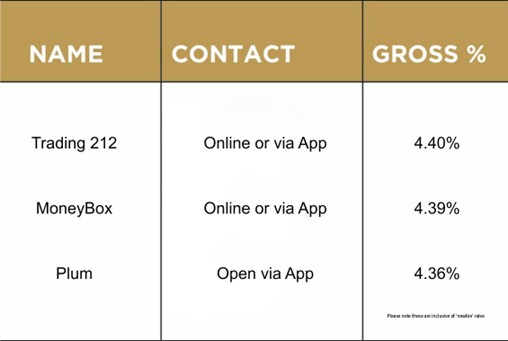
Please check the terms and conditions before opening any account. If in doubt, consult with your Financial adviser directly, as the above is for your information only.
Source: Moneysavingexpert.com 02/02/2026
Penguin © 2026. Penguin is a trading name of Penguin Wealth Planners Ltd. who are authorised and regulated by the Financial Conduct Authority (FCA no. 830057). For further information please View More
 Customer Focus Award